The best distortion for metal rarely sounds the same for every guitarist. A tight modern metal rhythm requires something different than classic thrash, mid-heavy death metal, or stoner with a looser low end.
If you simply buy the pedal with the most gain, you’ll often end up with a sound that feels huge in your bedroom but disappears in a band mix.
What the best distortion for metal really needs to deliver
For metal, it’s not just about how much distortion you have, but how the pedal responds to your playing. Palm mutes need to stay tight, fast alternate picking shouldn’t turn to mush, and chords must retain definition—even with drop tunings or active pickups. That’s the difference between a lot of gain and usable gain.
A good metal distortion pedal usually has a fast low-end response, enough midrange to cut through a mix, and highs that can be aggressive without becoming harsh or grainy. Especially if you’re playing through a clean amp, the pedal itself needs to provide most of the character. If you’re already using a high gain amp, a distortion can work better as an extra layer or as a way to tighten things up.
Noise is also a serious factor. Many metal players accept some level of noise, but there’s a limit. Especially with high gain, a boost in front, and high-output humbuckers, a pedal can quickly become unstable. In that case, the best choice isn’t automatically the heaviest pedal, but the one that stays under control.
Not every metal genre requires the same distortion
When people search for the best distortion for metal, they’re often actually looking for the best distortion for a specific metal sound. For old school heavy metal and thrash, you typically want a dry, direct, mid-focused character. Think tight riffs, lots of pick attack, and not too much compression. Too much low end quickly turns muddy, especially in a band.
For modern metal, metalcore, and djent, the requirements are different. You often want an extremely tight low end, lots of definition in low tunings, and enough saturation for sustain without notes blending together. In that area, pedals with active EQ, presence control, or a dedicated tight switch are often more practical than simple distortion pedals with just tone and level.
If you play sludge, doom, or stoner-influenced styles, a looser distortion or even a fuzz-like high gain can work better. Not everything needs to be clinically tight. A sound with more grit, more low end, and less focus can be exactly what the music needs.
Distortion pedal or overdrive for your high gain amp?
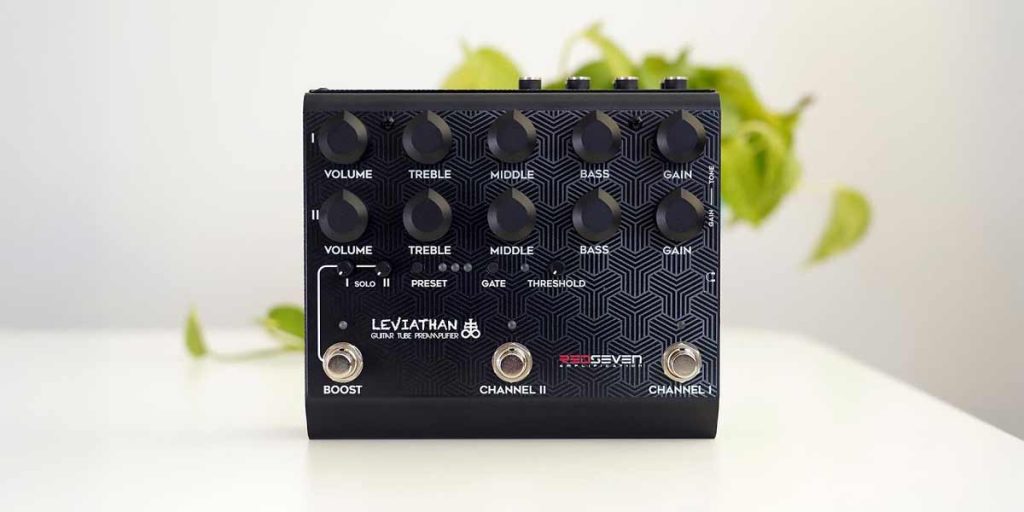
This is something many guitarists struggle with. If you already have a high gain amp, a dedicated distortion isn’t always the smartest first step. In many metal setups, an overdrive in front of the amp works better to tighten the low end, sharpen the attack, and give riffs more definition. That classic approach exists for a reason.
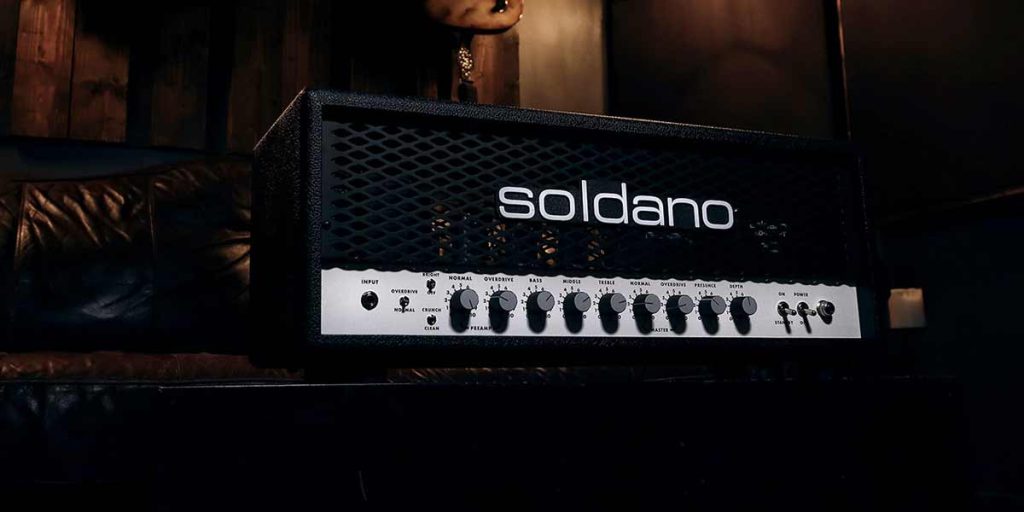
If you’re playing through a clean amp, a pedal platform, or directly into a setup where most of your gain comes from pedals, a distortion pedal becomes much more relevant. In that case, you’re looking for something that functions almost like a preamp. EQ options, output level, and stability in low tunings become especially important.
The best distortion for metal is directly tied to the rest of your rig. The same pedal can sound too harsh through a bright solid-state combo and sit perfectly through a darker tube amp.
What to look for when choosing
Gain may seem like the main factor, but EQ usually determines whether a pedal is usable. Too many scooped mids can sound impressive on their own but disappear quickly between drums and bass. A slight mid focus is often a smarter choice for live use, even if it sounds less impressive at home.
The low end is also crucial. Especially with 7-string guitars, baritones, and drop C or lower, you want the pedal to let low frequencies through without becoming muddy. Some pedals have a lot of bass but lack control. Others sound thin on their own but sit perfectly in a mix. That’s a classic case of taste versus function.
Pay attention to feel as well. Some distortion pedals compress heavily, making them easy to play with lots of sustain and fewer peaks. Others respond more directly to your picking hand. For technical riffs, many players prefer that direct response. For leads or heavier single-note playing, extra compression can be beneficial.
Finally, controls matter. A simple layout can be ideal if you want quick results. But for metal, extra control is often worth it. A 3-band EQ, presence, or depth control gives you a better chance of dialing in a sound that fits your guitar, pickups, and amp.
Common mistakes when searching for the best distortion for metal
The first mistake is using too much gain. More gain doesn’t automatically mean more heaviness. Often the opposite happens: riffs become smaller, attack disappears, and everything smears together. In a band context, slightly less gain often sounds heavier.
The second mistake is only judging tone at home. A sound with massive low end and heavy scoop can sound huge on its own but lacks body once the drummer kicks in. Metal is about placement in the mix, not just brute solo tone.
The third mistake is ignoring pickups and amplifier. A pedal that sounds great with passive humbuckers in standard tuning can react very differently with active pickups in drop A. A bright, high-headroom amp also requires a different type of distortion than a darker tube combo.
Which types of pedals work well for metal?
There’s no single winner, but broadly speaking you’ll see three directions. The first is the classic high gain distortion with a fairly direct voicing. This works well for heavy metal, hard rock, and thrash, especially if you want a clear riff sound without too much modern compression.
Classic high gain distortion
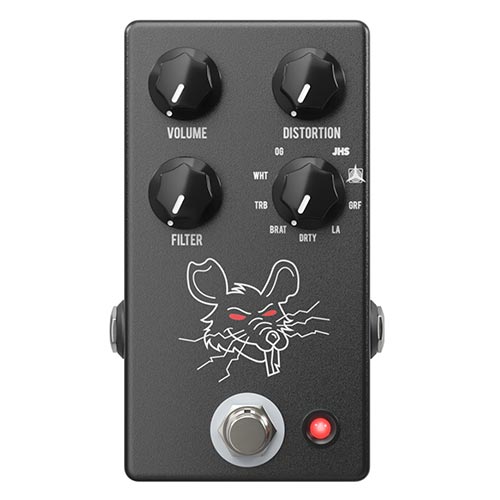
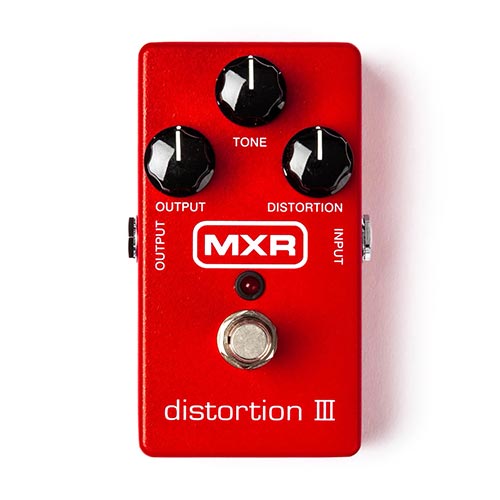
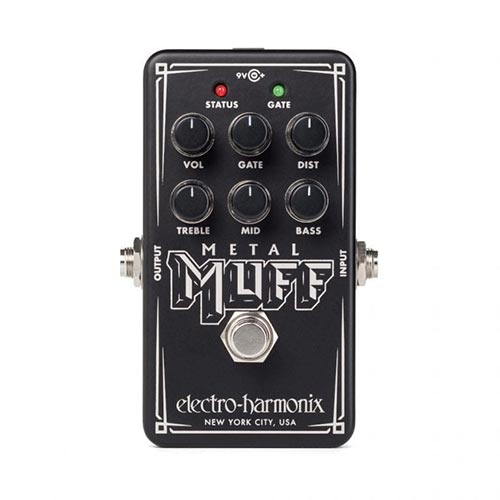
The second is the modern metal distortion or preamp-style pedal.
Modern metal distortion
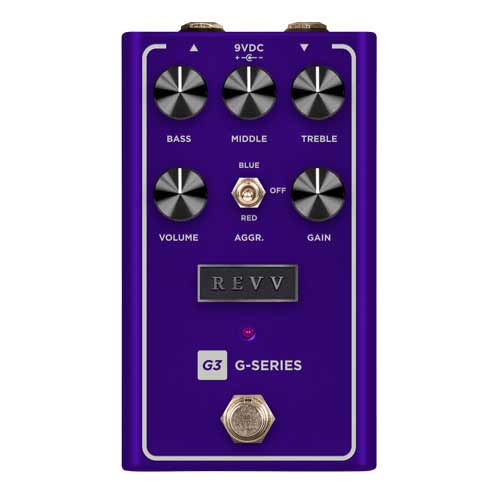
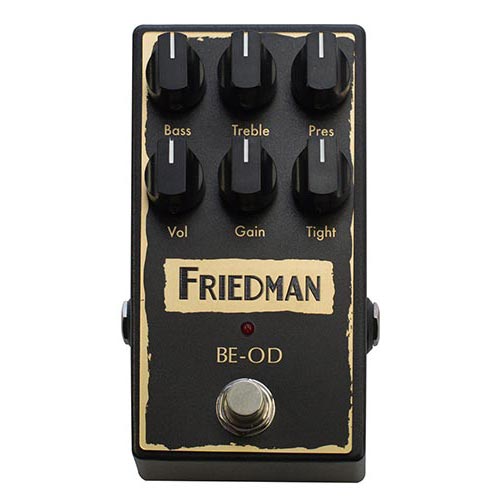
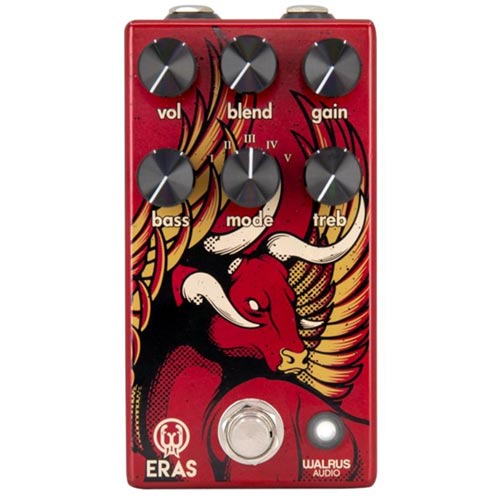
The third route is a combination of a tight overdrive and an already driven amp or amp-style pedal.
Amp-style overdrive

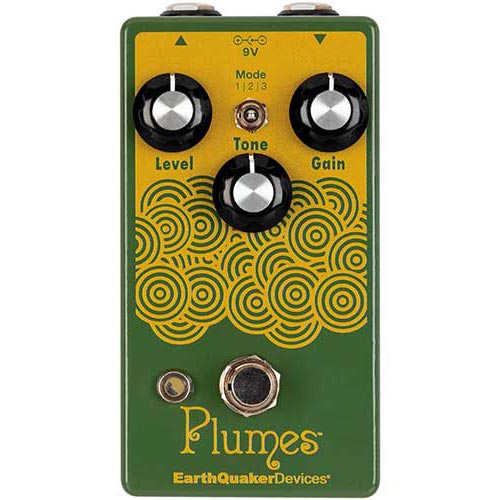

How to test a metal distortion properly
Don’t just test at bedroom volume. Set the output so the pedal is realistically loud and play both palm mutes and open chords. Pay attention to what happens to the lowest string. Does it stay controlled, or does it turn into a wall of sound?
Use different playing styles. Try fast sixteenth notes, tremolo riffs, and lead lines higher up the neck. A pedal can sound impressive on simple power chords and fall apart when playing technical riffs. That’s where you’ll notice whether the attack and note separation hold up.
If possible, test with your own guitar and a setup similar to your own amp. That prevents bad purchases. The best distortion for metal isn’t the pedal name you see most often, but the one that responds best in your own signal chain.
So what is the best choice?
If you’re playing through a clean platform, a modern high gain distortion or preamp-style pedal is usually the logical choice. Look for a model with enough EQ control and a tight low end. If you already have a good high gain amp, first consider whether an overdrive or boost might get you further than adding another distortion.
For classic metal styles, a more mid-focused and direct distortion character often works better than an extremely scooped modern sound. For modern metal, tightness, headroom, and low-end control are key. And if you switch between styles, flexibility is often more important than maximum gain.
We’ve listed a selection of distortion pedals to help you choose. This saves time if you already know whether you’re looking for a pure distortion, an amp-in-a-box, or a tight overdrive.
The best choice is ultimately the pedal that makes your riffs hit harder without fighting mud, noise, or a tone that disappears in the mix. If a pedal supports your picking hand instead of masking it, you’re usually very close to the right choice.

Leon Keemer is a guitarist, gear nerd, and regular writer for Pedaltown.nl. With a passion for anything that can shape, bend, or improve your sound, he regularly tests new effect pedals—from boutique fuzzes to modern multi-FX. Leon is known for his clear explanations and honest reviews that help both beginners and seasoned guitarists. When he isn’t behind his pedalboard, he experiments in the studio or hunts for obscure effects that make musicmaking just a little bit more exciting.