
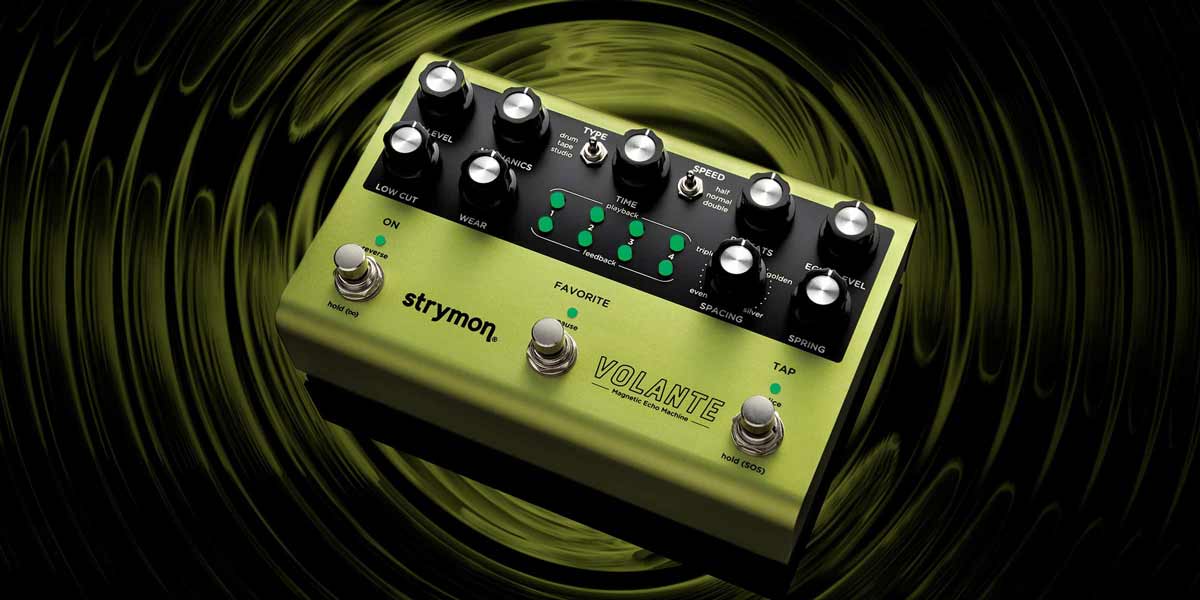
You usually hear it within ten seconds. A delay either smears everything together, or it gives your part exactly the extra space, width and timing that a riff, lead line or ambient part needs.
That is why a delay pedal buying guide is far from unnecessary. The right pedal immediately feels useful on your board, with your amp and within your playing style.
On paper, delay seems simple: you play a note and hear it repeated later. In practice, the real difference lies in how that repeat feels. Tight or soft, dark or bright, clearly present or neatly behind the original signal. If you choose a delay without paying attention to that, you can easily end up with something that is technically good but musically not the right fit.
Delay pedal buying guide: start with how you use it
The first question is not which brand you want, but what you will actually use the pedal for. A guitarist who only wants a subtle slapback for rockabilly, country or tighter indie parts needs something very different from someone playing dotted eighth delays in a U2 cover band, post-rock or modern pop. And someone who mainly wants to thicken solos will usually look for a different setting than someone building soundscapes with long repeats.
If your delay is always on as part of your core sound, clear controls and predictable behavior are more important than extreme features. If you want to switch a lot between short echo, rhythmic delay and ambient settings, then presets, tap tempo and extra control options become much more relevant. Those kinds of choices determine whether a pedal suits you much faster than the hype around a particular model.
Bass players should also be clear about this. On bass, delay often works best as a supporting effect. Too many repeats or too much top end in the effect signal can quickly make your foundation feel restless. A pedal with good control over mix and tone is usually smarter than a model mainly aimed at spectacular ambient sounds.

Which type of delay fits your sound?
The biggest divide is between analog and digital delay, and tape-like delays. Analog delay usually sounds a little rounder, darker and less pronounced in the repeats. That makes it popular with players who do not want to hear delay as a separate effect, but as an extension of their tone. Think leads that feel a little bigger or rhythm parts that gain more depth without becoming clinical.
Digital delay is generally tighter and brighter. If you want to work rhythmically with precision, if every repeat needs to remain audible, or if you want different delay times to come through in a band mix, digital is often the logical choice. The same applies to players who use tap tempo a lot. Especially live, that is often far more practical than turning a knob by hand between songs.
Tape delay sits somewhere in between. You often get the character and slight modulation of old echo units, but in a more compact and reliable format. For many guitarists, this is the sweet spot: more atmosphere than a clinical digital delay, but less limited than a pure analog delay. If you play classic rock, blues, alternative rock or atmospheric instrumental music, this type is often immediately interesting.
There are also multifunctional delays that combine multiple modes. That sounds attractive, and sometimes it is, but only if you truly use that versatility. If you buy such a pedal while in practice always using one setting, you are essentially paying for features you never use.
Short delay, long delay or anything in between?
A short delay time is useful for slapback, subtle thickening and a sense of space without the repeats coming to the foreground. That works well in roots, blues, country and anything where timing needs to stay tight. Longer delay times are more interesting for solos, ambient work and slower parts where the effect becomes part of the composition.
If you only want one delay on your board, choose a pedal that can convincingly do both. Not every compact pedal handles short and long settings equally well. Some models excel at atmosphere but are slower to operate. Others are very practical, but feel less inspiring when you want to go beyond basic use.
What should you look for when comparing delay pedals?
Mix, feedback and time are obvious, but it does not stop there. The tone of the repeats often makes the difference between useful and annoying. Too bright, and your delay starts competing with your dry signal. Too dark, and it disappears in the band mix. A tone control or a well-voiced circuit is therefore more valuable than many players expect beforehand.
Tap tempo is not a luxury for many live players. If you play with a drummer, click track or changing songs, it saves hassle and prevents almost-right timings. Still, tap tempo only makes sense if the operation is logical. A small pedal with awkward secondary functions may have everything on paper, but still be inconvenient on a dark stage.
Presets are especially useful if you need different delay settings during a set. One preset for slapback, one for solos and one for longer ambient passages can be very practical. If you mainly play at home or keep everything simple, direct hands-on control is often nicer.
Also look at headroom and signal behavior. Some delays stay beautifully open with higher output levels, while others compress or distort sooner. That is not necessarily bad, but it does need to suit your setup. With humbuckers, boosts or a high-gain preamp, you will notice this faster than with a clean single-coil setup.
Finally, some delay pedals have delay modulation and others do not. Modulation creates movement and character in the effect and adds a chorus-like quality. That can be a beautiful addition if that is what you are looking for.
Mono or stereo?
For most pedalboards, mono is still the standard and often the smartest choice. Less complex, fewer cables and quicker to use live. If you work in stereo with two amps, a wet-dry setup or a stereo recording setup, a stereo delay can add a lot. Width and movement then become a real part of the effect, not just an extra.
But do not buy stereo out of habit. If your entire rig is mono, it adds little in practice besides extra cost and more choices.

Placing delay on your pedalboard
Delay is usually placed after drive and either before or after reverb, depending on what you want to hear. For many players, delay before reverb sounds the most natural. The repeats then get their own sense of space. If you place delay after a large reverb, the effect can quickly become washy. That can be beautiful for ambient use, but less suitable for tight parts.
If you use your amp’s effects loop, delay can sound cleaner and more spacious there, especially with amps where preamp distortion is an important part of your sound. If you mostly play clean or get your gain from pedals, a delay in front of the amp input often works perfectly well. This is one of those points where there is no universal right answer. Your ears decide, not the theory.
Also pay attention to power supply and available space. Most delays draw more current than simple drive pedals. An unstable or underpowered supply will cause problems sooner or later. Anyone who wants to build a smart board should therefore not only look at sound, but also at size, current draw and switch accessibility.
Common buying mistakes
The most common mistake is buying too big. An extensive delay workstation with screens, banks and multiple modes looks attractive, but if you mainly need one good sound, an advanced pedal adds little value. The opposite also happens. Someone chooses a minimal compact pedal, only to find out later that tap tempo or presets are essential after all.
A second mistake is choosing a delay based on solo demos. Played on its own, almost everything sounds impressive. In a band mix or recording context, you mainly want to know whether the pedal adds something without taking over. Subtle delays often beat the most spectacular options there.
The third mistake is not taking your amp and playing style into account. A bright amp with a lot of presence can benefit from warmer repeats. A darker combo may work well with a more open, digital character. So there is no best delay in a general sense — only the best match for your setup.
Recommended tape delay pedals
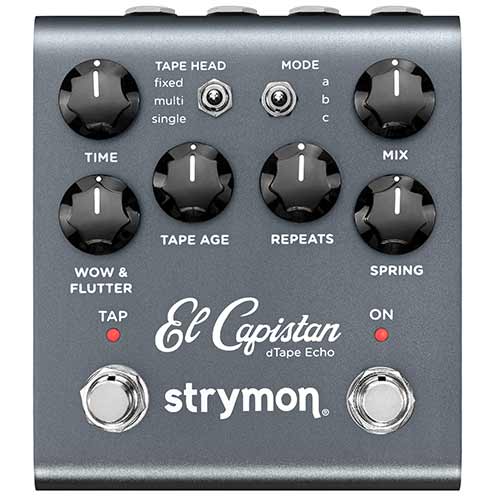
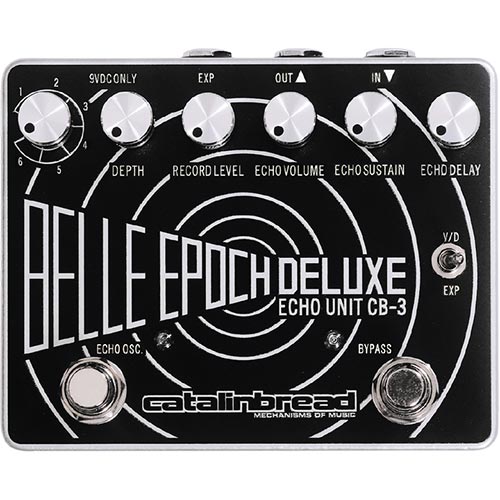
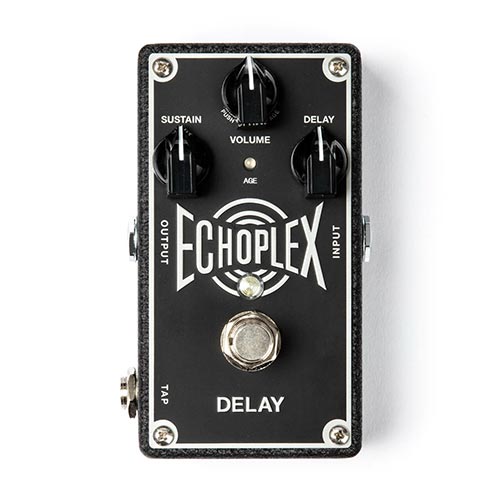

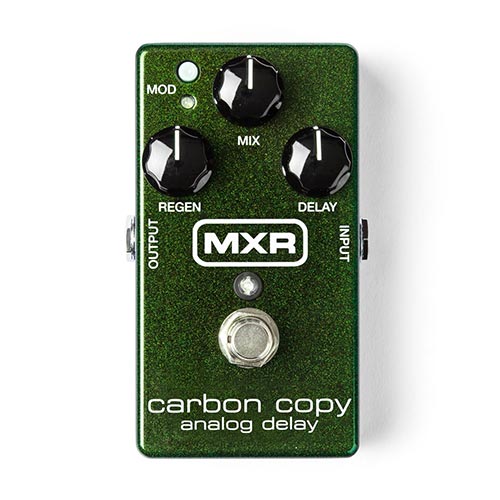
Recommended analog delay pedals
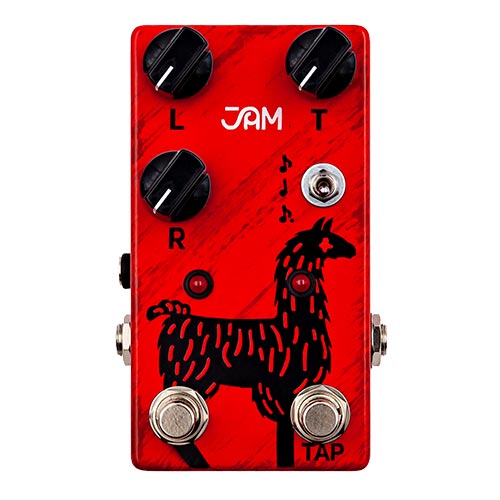
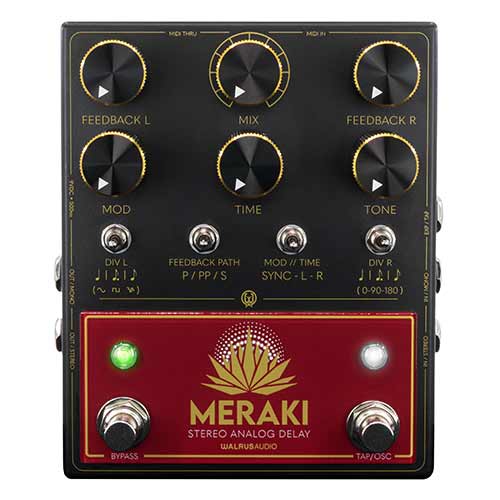
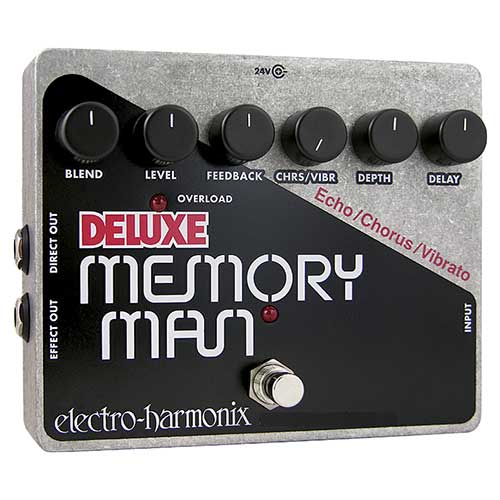
Recommended digital delay pedals

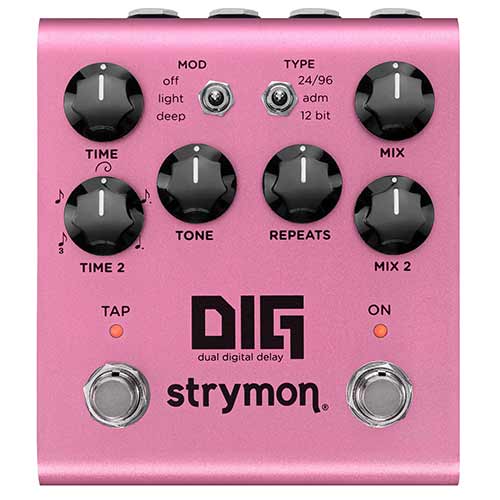


Recommended multi-delay pedals
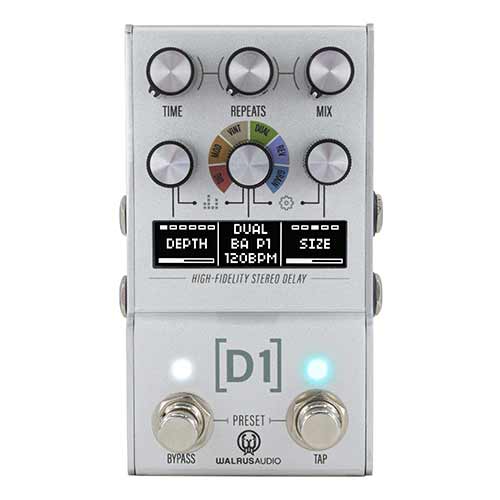
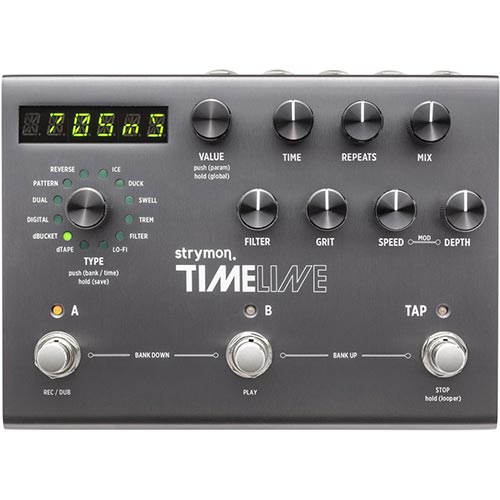
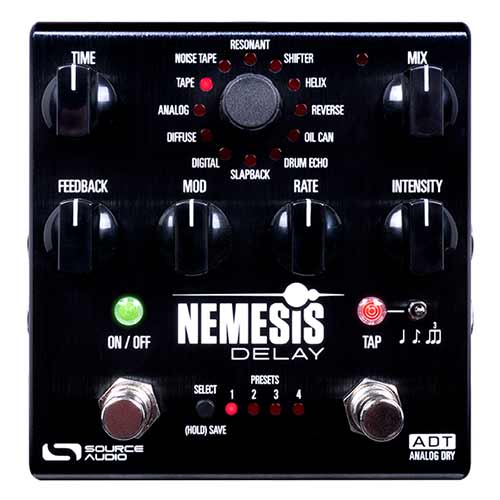
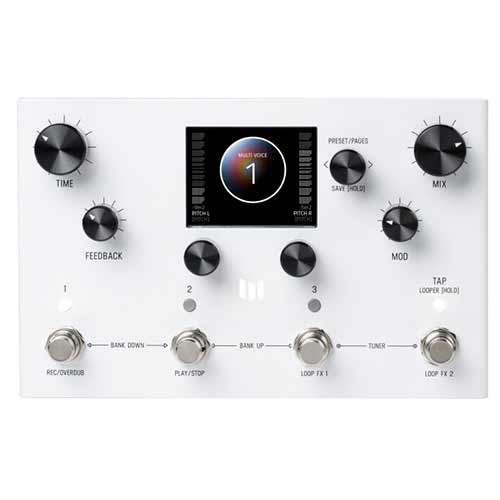
Recommended other delay pedals

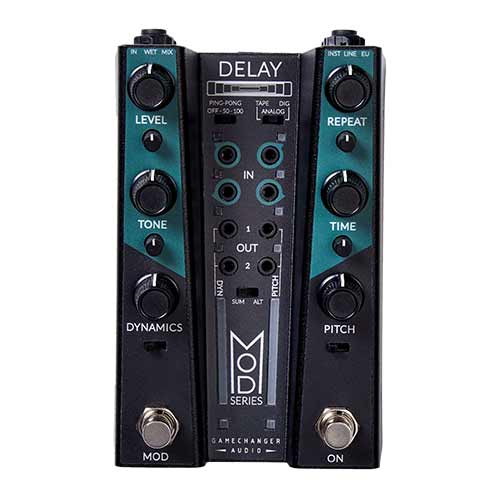


How to make the right choice quickly
If you want to buy with purpose, keep it simple. First decide whether you mainly want an analog, digital or tape-like character. Then determine whether you need tap tempo, whether presets make sense and how much room you have on your board. Only then should you start comparing models.
For a first or second delay, a pedal with clear controls is often the safest choice. Experienced players with a carefully planned board benefit more from specific features and finer adjustment.
If you are unsure between two directions, do not choose with your eyes only, but with your actual use in mind. The pedal you switch on more often, adjust more quickly and integrate into your board without irritation is usually the better buy. The best delay is not necessarily the most extensive one, but the one that immediately helps your sound move forward. Also check out our range of delay pedals.

Leon Keemer is a guitarist, gear nerd, and regular writer for Pedaltown.nl. With a passion for anything that can shape, bend, or improve your sound, he regularly tests new effect pedals—from boutique fuzzes to modern multi-FX. Leon is known for his clear explanations and honest reviews that help both beginners and seasoned guitarists. When he isn’t behind his pedalboard, he experiments in the studio or hunts for obscure effects that make musicmaking just a little bit more exciting.