
Reverb
Showing 1–28 of 127 resultsSorted by latest
-
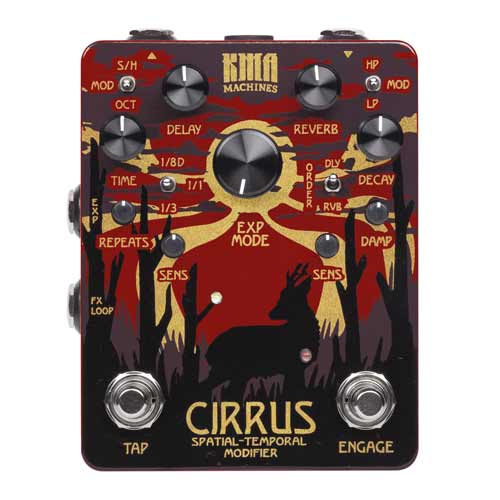
KMA Machines Cirrus
€ 199 Add to cart -
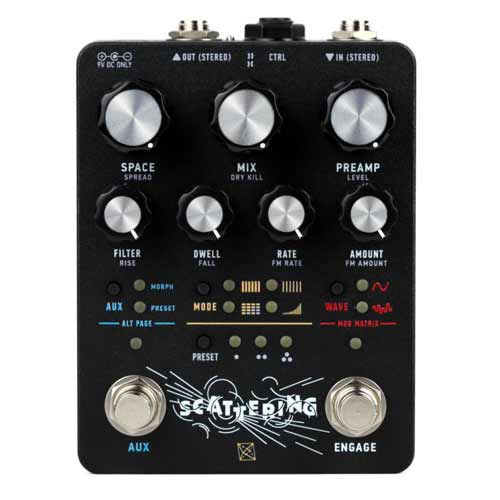
Electronic Audio Experiments: Scattering
€ 499 Add to cart -
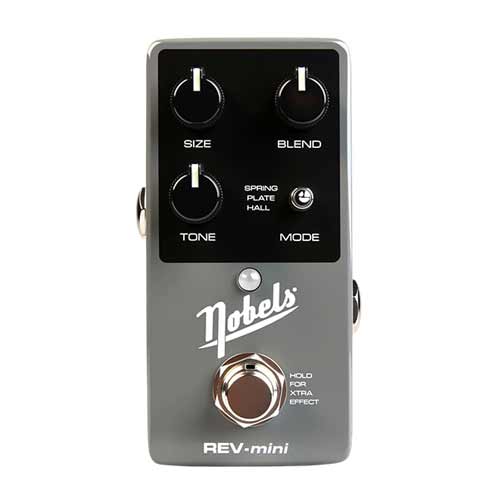
Nobels REV-mini
€ 99 Add to cart -

Death by Audio Amp Crash
€ 479 Add to cart -

Walrus Audio Lüm Texture Engine
€ 299 Select options This product has multiple variants. The options may be chosen on the product page -

Crazy Tube Circuits White Whale Jr
€ 315 Add to cart -

Electro Harmonix Pico Shimmer
€ 164 Add to cart -
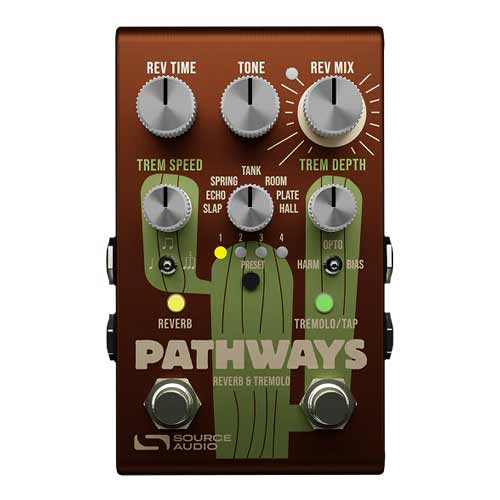
Source Audio Pathways
€ 359 Add to cart -

Catalinbread CB Paint
€ 249 Add to cart -

Earthquaker Devices Towers
Original price was: € 369.€ 329Current price is: € 329. Add to cart -
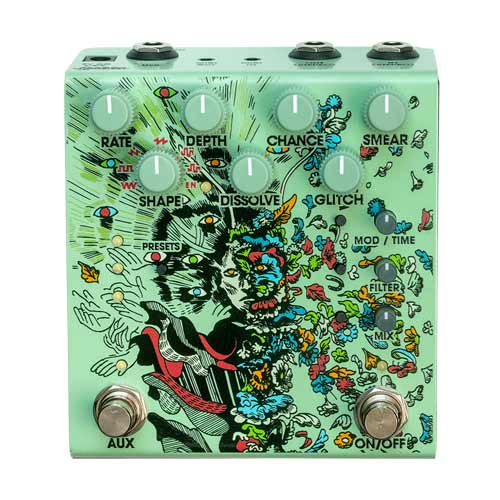
Old Blood Noise Endeavors Parting
€ 385 Select options This product has multiple variants. The options may be chosen on the product page -

Death by Audio Dream Station
€ 299 Add to cart -

Keeley Nocturne Reverb
€ 349 Add to cart -

Old Blood Noise Endeavors Dark Light Limited Edition
Original price was: € 445.€ 445Current price is: € 445. Read more -
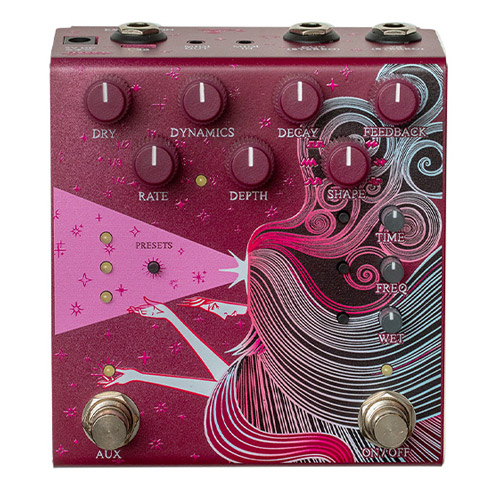
Old Blood Noise Endeavors Sunlight Stereo
€ 349 Select options This product has multiple variants. The options may be chosen on the product page -
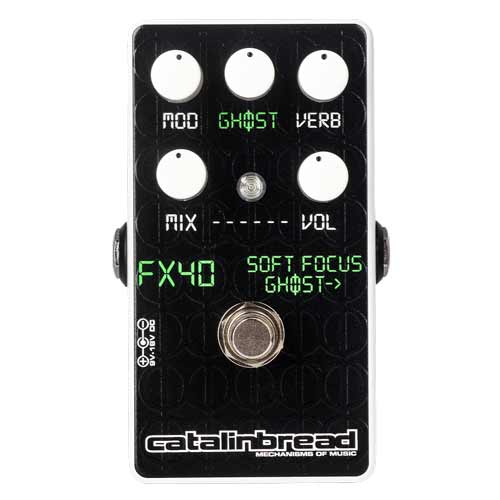
Catalinbread Soft Focus Ghost
€ 249 Add to cart -
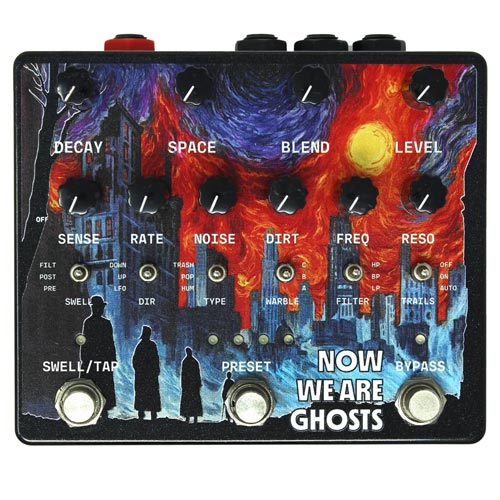
Alexander Pedals Now We Are Ghosts
€ 379 Add to cart -

Crazy Tube Circuits Mirage Jr
Original price was: € 229.€ 199Current price is: € 199. Add to cart -
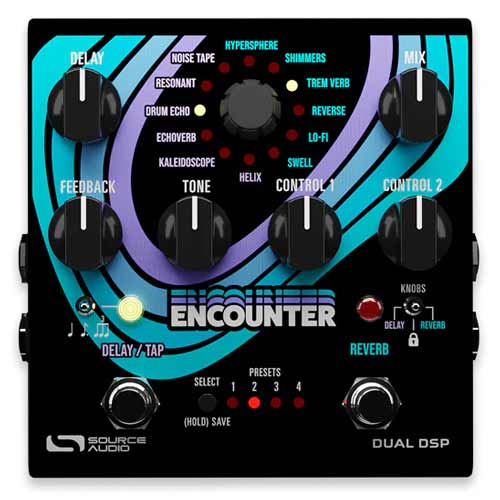
Source Audio Encounter Ambient Delay + Reverb
Original price was: € 499.€ 379Current price is: € 379. Add to cart -

Crazy Tube Circuits Mirage
€ 329 Add to cart -
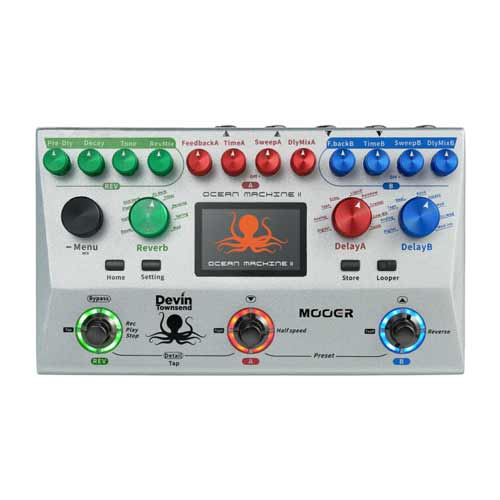
Mooer Ocean Machine II
Original price was: € 269.€ 229Current price is: € 229. Add to cart -
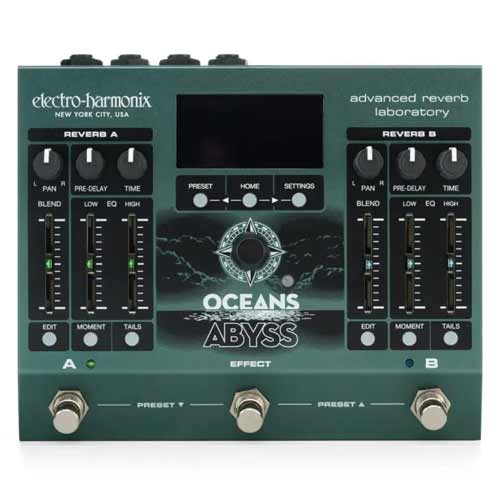
Electro Harmonix Oceans Abyss
€ 469 Add to cart -
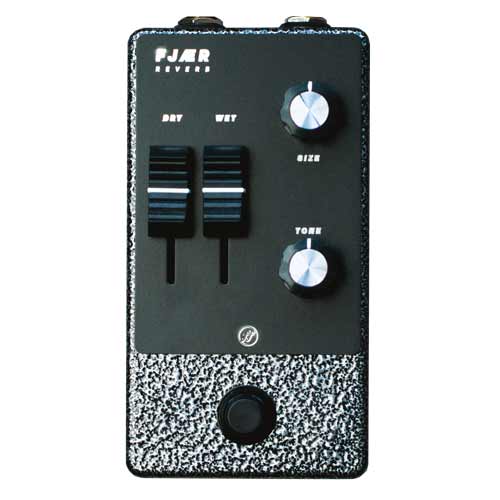
Fjord Fuzz Fjaer
€ 199 Add to cart -

Carl Martin Headroom Mini
€ 285 Add to cart -

Catalinbread Talisman Ghost
€ 269 Add to cart -

Matthews Effects The Technician
€ 489 Add to cart -
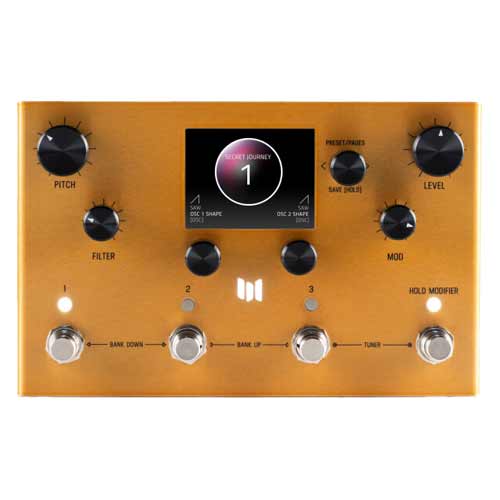
Meris Enzo X
€ 749 Add to cart -
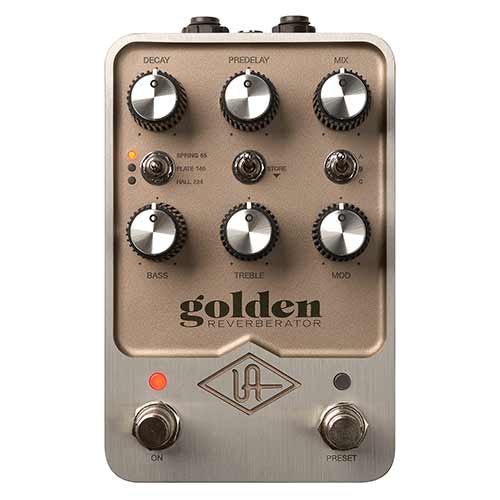
Universal Audio Golden Reverberator
€ 409 Add to cart
Showing 1–28 of 127 resultsSorted by latest
Reverb pedals
Reverb or reverberation is created by the reflection of sound against walls and objects. Different distances between a sound source and the points at which the sound reflects creates complex reflections. This pattern sounds like reverberation, unlike the effect where you can still hear the reverberation clearly. Then you speak of echo or delay. Incidentally, there is often a pre-delay setting on a reverb. Sets the time of the first reflections.
The sound of reverberation is influenced by a number of factors. First, there is the amount of reverberation (the volume) and the length of the reverberation. A large room often produces a longer reverberation than a smaller room. Then, the timbre of the reverberation is largely determined by the material of the walls, or what the walls are covered with. Wood, for example, absorbs more sound than concrete. Moreover, a material does not absorb all frequencies equally well, meaning that some rooms have a bright reverberation and others a dark one. This also immediately reveals what kind of room has been used.
Reverb is perhaps the most widely used effect, particularly by guitarists. Your amplifier often has a built-in reverb. Not infrequently, this is a spring reverb that produces a characteristic echo. Many guitarists also use one or more reverb pedals to achieve a specific sound. Virtually all reverb pedals are digital these days, with a few exceptions. Reverb pedals also often consume more power than, for example, an overdrive; make sure your power supply can handle this. You should expect to pay 50 milliamperes or more.
Feel free to take a look at our effects and experiment to your heart’s content! If you’re a fan of ambient reverb, check out our buying guide and our page on boutique effects.