Your clean channel sounds too polite, your crunch lacks focus, or your solo disappears in the mix. That is exactly where this guide to overdrive pedals begins.
Not with vague tone descriptions, but with the question that actually matters: what problem does the pedal need to solve? You rarely buy an overdrive because you simply want “more distortion.” Usually, you are looking for something much more specific. More mids for a band mix, less compression under your fingers, amp-like breakup at bedroom volume, or a tighter attack for modern high-gain sounds.
If you understand that beforehand, you will make the right choice much faster and avoid ending up with a pedal that sounds good on its own but does not actually work in practice.
What an overdrive pedal actually does
Broadly speaking, an overdrive simulates the behavior of an amplifier that is being pushed just beyond its limits. That means soft clipping, more harmonics, and usually a response to your picking dynamics and volume knob that feels musical. That is exactly what separates overdrive from distortion, which often sounds more aggressive, compressed, and less open.
Still, overdrive is not a fixed sound. One pedal mainly adds midrange frequencies and cuts through a mix more easily. Another stays flatter across the frequency spectrum and preserves more of your guitar and amplifier’s natural character. Some models color your tone heavily, while others are designed as transparent drives or boosts with just a bit of grit.
That is why it makes little sense to compare overdrive pedals purely by gain range. The EQ curve, amount of compression, headroom, and how the pedal interacts with your amp are at least as important.
Guide to overdrive pedals by application
The fastest way to choose is not by starting with brands or hype, but with your actual use case. If you play through a slightly overdriven tube amp, you will need a different kind of overdrive than someone who mainly plays clean and gets all their drive from pedals.
For a clean amplifier
If you use a truly clean platform, the pedal has to do more of the work. You will usually benefit from an overdrive with enough body, dynamics, and an EQ that does not sound too thin. A transparent drive can work beautifully here if you want to preserve your core tone, but sometimes a mid-pushed overdrive is more useful because it immediately makes your sound sit better in a band context.
Players who practice at lower volumes often notice that a slightly more compressed pedal feels better. You get sustain and a fuller tone more quickly without needing to turn the amplifier up loud.

For an amplifier that is already breaking up
If your amp is already on the edge of breakup, the pedal does not necessarily need to provide much gain. Many guitarists mainly use an overdrive as a boost in this situation. Think lower gain on the pedal, higher level, and possibly some extra mids. That tightens the front end of the amplifier and gives you more focus, attack, and sustain.
For rock, blues, and classic lead sounds, this is often more effective than adding another layer of gain from the pedal itself. You preserve more of the amplifier’s character and the feel under your fingers stays more natural.
For tight rhythms or lead boosts
Not every overdrive is meant to be your main drive sound. Some pedals work best as tone shapers in front of a distortion channel or high-gain amp. In that case, you are not looking for huge, woolly lows, but for a pedal that trims bass slightly, thickens the mids, and sharpens your pick attack.
For solos, the priorities change again. An overdrive with extra mids and slight compression can help you rise above the band without needing an extreme volume boost.
The most important differences between overdrive types
Every guide to overdrive pedals eventually comes back to the same truth: there is no single best type. There is only a type that fits your rig better.
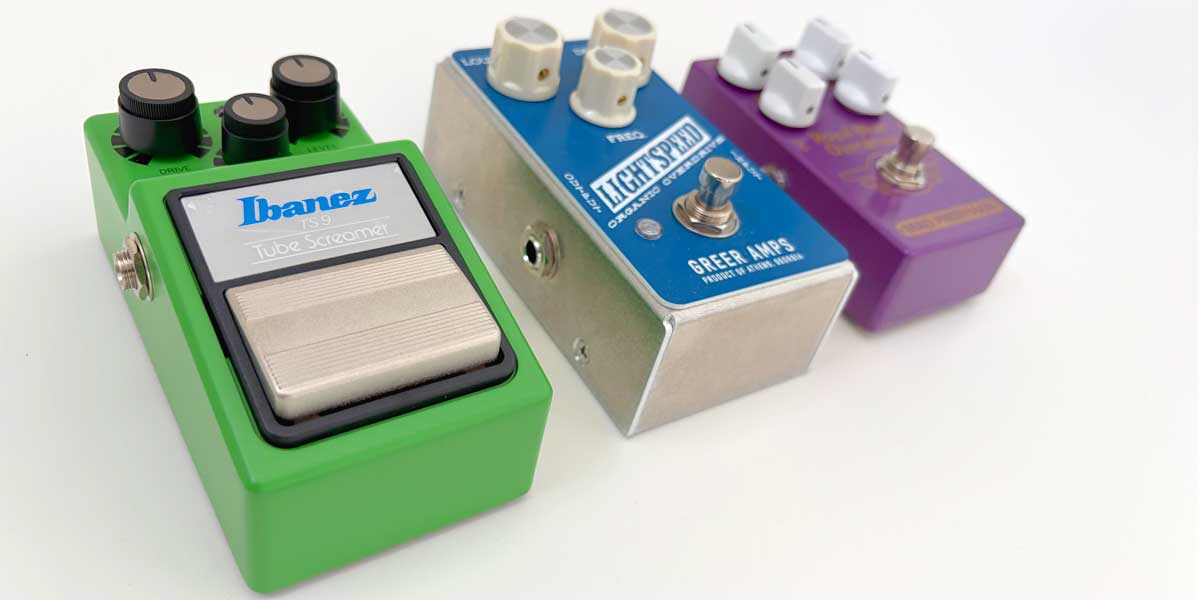
Mid-heavy overdrives such as an Ibanez Tube Screamer are popular because they work immediately in a mix. They add focus, push an amp beautifully, and make solos stand out. The downside is that they can sometimes sound narrower or less impressive at home compared to full-range alternatives.

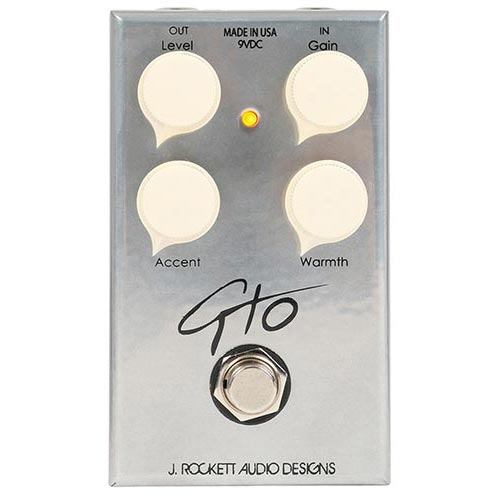
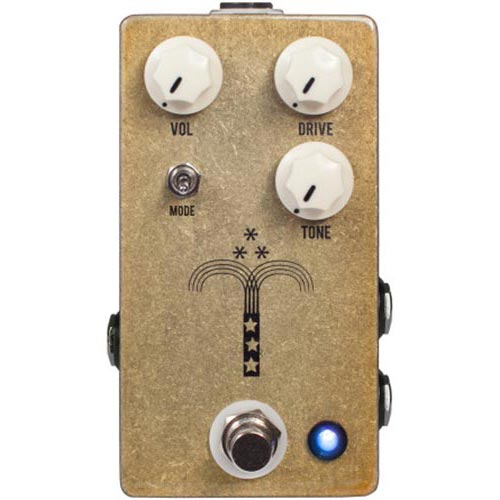
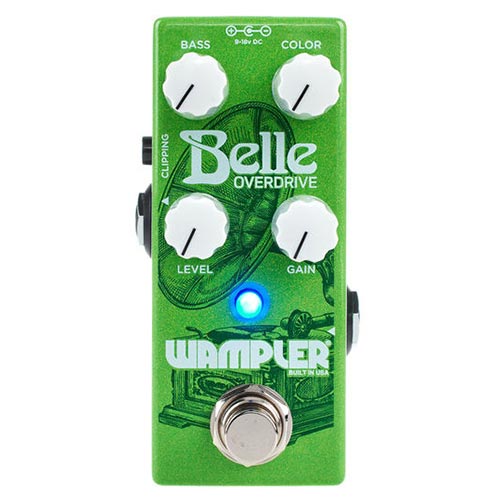
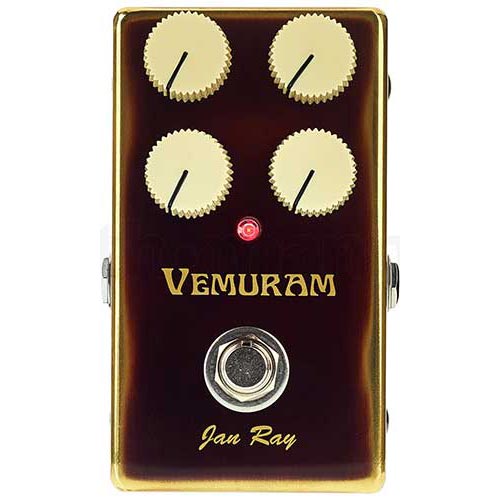
More transparent overdrives usually let more lows and highs through and preserve more of the guitar and amplifier’s natural character. That often feels more open and less colored, but live it can also mean you do not cut through other instruments as easily.
Amp-in-a-box style overdrives belong to another category entirely. They are designed to replicate the behavior and EQ of specific amplifier types. That can be ideal if you are chasing a certain feel, but these pedals are often more sensitive to the rest of your setup.
Then there are low-gain drives that mainly add texture, and medium-gain drives that handle most day-to-day work. High-gain overdrives exist as well, but beyond a certain point you functionally move closer to distortion territory. That is not a bad thing, but it is important to keep in mind while comparing pedals.
Gain, EQ, and headroom — this is where things often go wrong
Many bad purchases happen because players focus too much on the gain knob and not enough on EQ and headroom. Gain determines how much distortion you hear, but headroom determines how much space and definition remain, especially with humbuckers or active pickups.
If you play through a dark-sounding amplifier or warm humbuckers, a pedal with extra mids and a brighter top end may be exactly what you need. If your setup already sounds bright or thin, you may want a fuller, rounder overdrive character instead. That sounds obvious, but in practice many players only realize it after the pedal is already on their board.
Also pay attention to the tone controls. A single tone knob can be enough if the pedal’s core voicing is right. But in setups where you need to fine-tune quickly, for example between single coils and humbuckers, a more extensive EQ section gives you more control. That becomes especially useful when one pedal needs to cover multiple roles.
Stacking — two overdrives is often smarter than one
For many guitarists, one overdrive is not the final destination. Stacking two drives together often delivers a more flexible and practical result than relying on one pedal to do everything.
A common approach is using a low-gain overdrive as your foundation and a second pedal for extra push or mids. That way, you preserve your core tone while easily switching to more sustain or presence when needed. The opposite can also work: first a tight, mid-focused drive followed by a more open pedal for additional width and perceived volume.

The order matters. A mid-hump pedal before a transparent overdrive behaves differently than the other way around. In the first setup, you drive the second pedal with more focus. In the second setup, the original character of the first pedal often stays more recognizable. Which works better depends on your amp, pickups, and how much total gain you use.
What to pay attention to when testing
Judging an overdrive pedal at bedroom volume is risky. What sounds huge and fat at home may have too much low end live or disappear once drums and bass enter the mix. On the other hand, a mid-focused drive may sound nasal at home but turn out to be perfect during rehearsal.
That is why you should always test with your own reference point in mind. Use the same guitar, compare at equal volume, and listen not only to distortion but also to attack, note separation, and how the pedal reacts to a softer touch. Also roll back your guitar’s volume knob. A good overdrive should not completely collapse when you reduce the input signal.
From a practical perspective, it is smart to determine whether you need true bypass or buffered bypass, how much space you have on your board, and whether the pedal is sensitive to power supplies. Especially on larger pedalboards, a stable power supply can be just as important for noise-free operation as the pedal itself.
Which overdrive fits your setup?
If you play blues, classic rock, or roots music, you will often end up with a dynamic low- to medium-gain overdrive that responds well to your guitar’s volume knob. For indie, pop, and worship, a more open pedal with lots of definition often makes sense, especially on a clean platform. For hard rock and more modern styles, a tighter overdrive used as a boost in front of a gain channel is often more effective than a standalone drive with lots of its own distortion.
Bass players use overdrive differently again. In that context, preserving low end and clarity is crucial. A pedal that cuts beautifully on guitar may remove too much body on bass. In that case, blend controls or a specifically tuned EQ are not luxuries, but necessities.
The best choice is rarely the pedal with the most features or the highest amount of gain. It is the pedal that makes your amplifier respond in exactly the right way, without hassle and without doubt. Once you hear that, you usually do not need to think about it for very long anymore.
Recommended overdrives
We can highly recommend the overdrives below. Is your favorite not listed here? Then also check out our selection of overdrive pedals.
Recommended low-gain overdrives
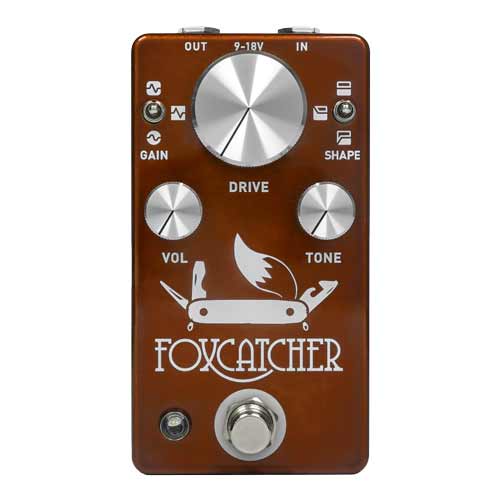
Foxcatcher V2

The Carbon V2
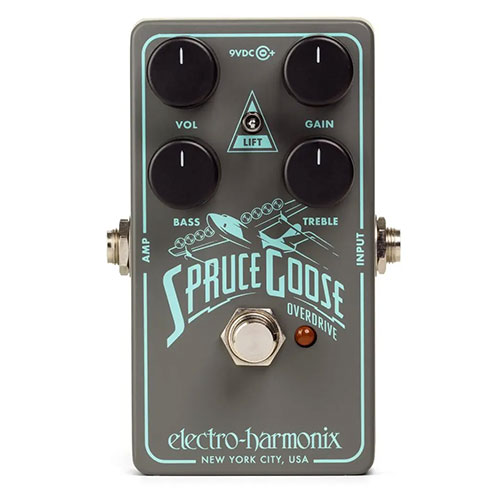
Spruce Goose
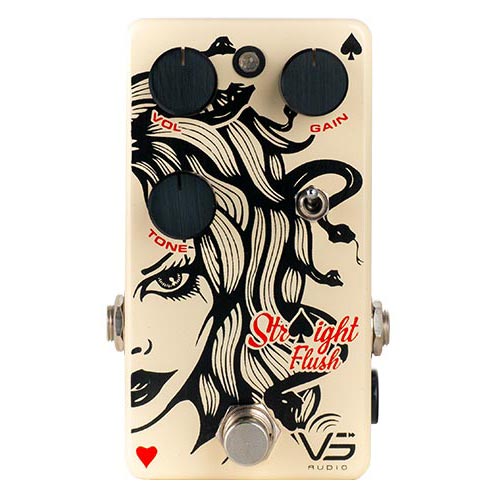
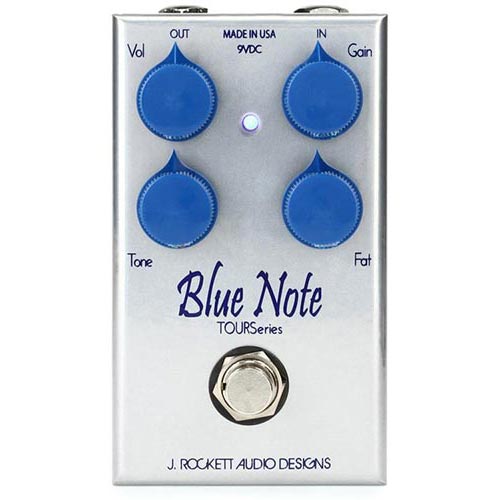
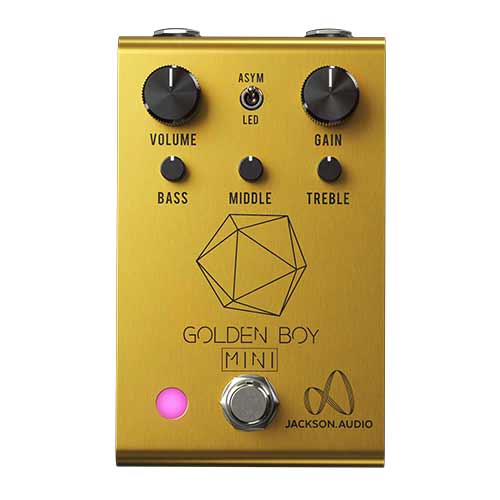
Golden Boy
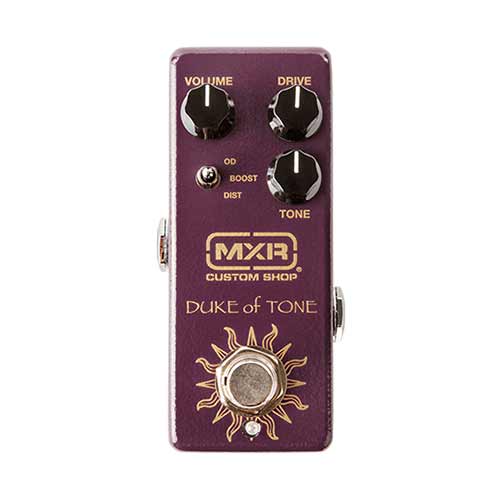
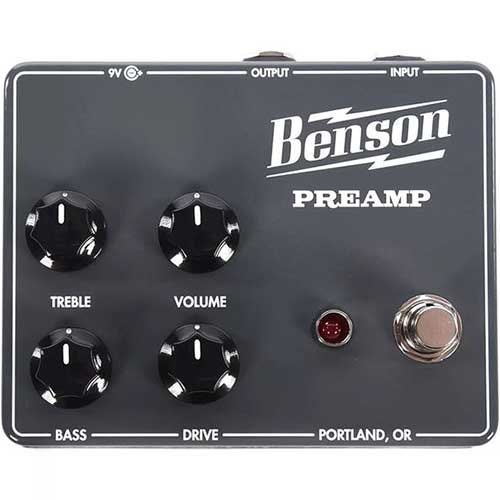
Recommended mid-heavy overdrives

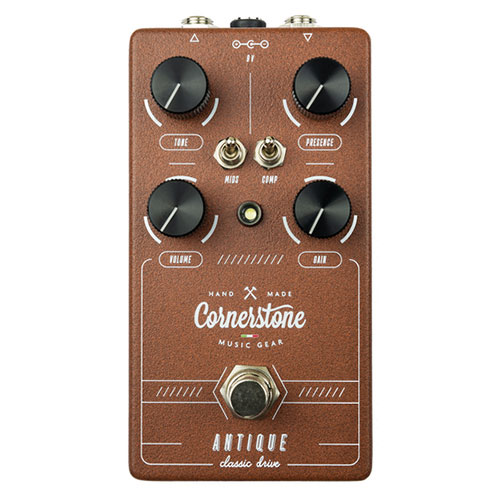

Tubedreamer mk2
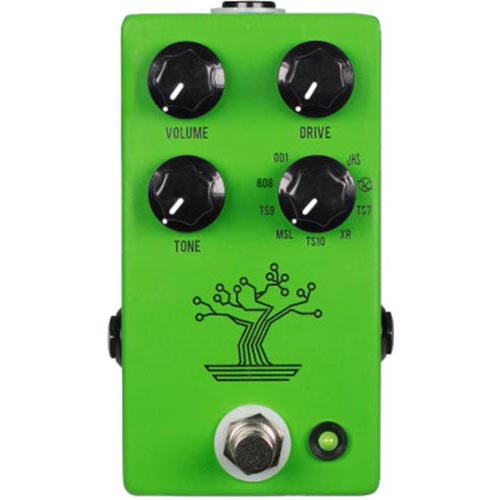
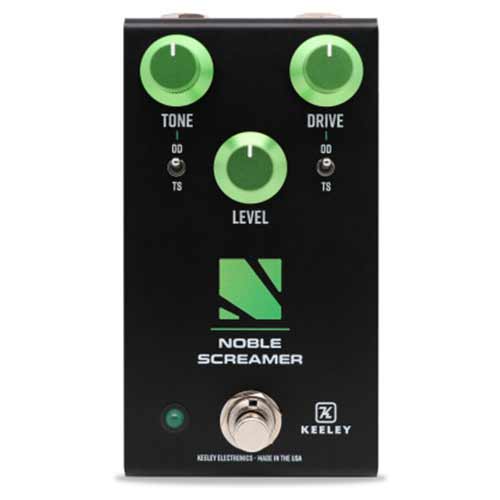

Royal Blue Overdrive

SL-OD DLX Drive

Recommended transparent overdrives


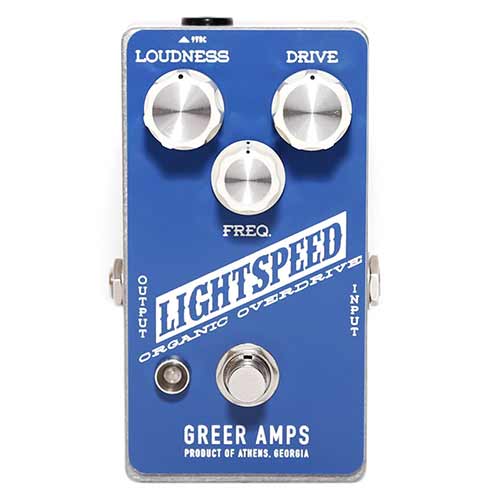
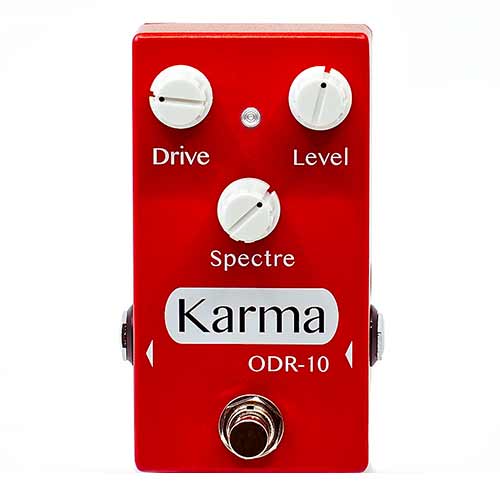
Recommended amp-in-a-box overdrives


Enigmatic ’82 ODS Amp
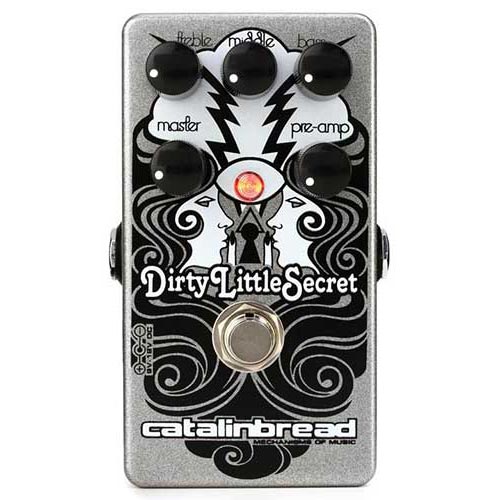
Dirty Little Secret
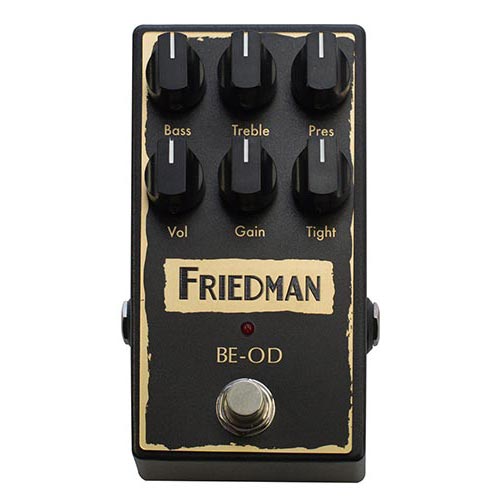


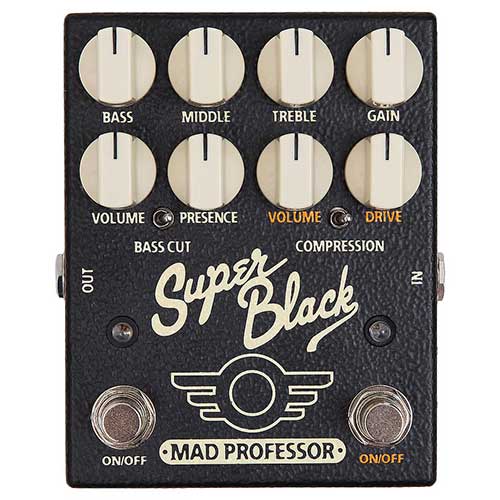
Super Black

Leon Keemer is a guitarist, gear nerd, and regular writer for Pedaltown.nl. With a passion for anything that can shape, bend, or improve your sound, he regularly tests new effect pedals—from boutique fuzzes to modern multi-FX. Leon is known for his clear explanations and honest reviews that help both beginners and seasoned guitarists. When he isn’t behind his pedalboard, he experiments in the studio or hunts for obscure effects that make musicmaking just a little bit more exciting.