
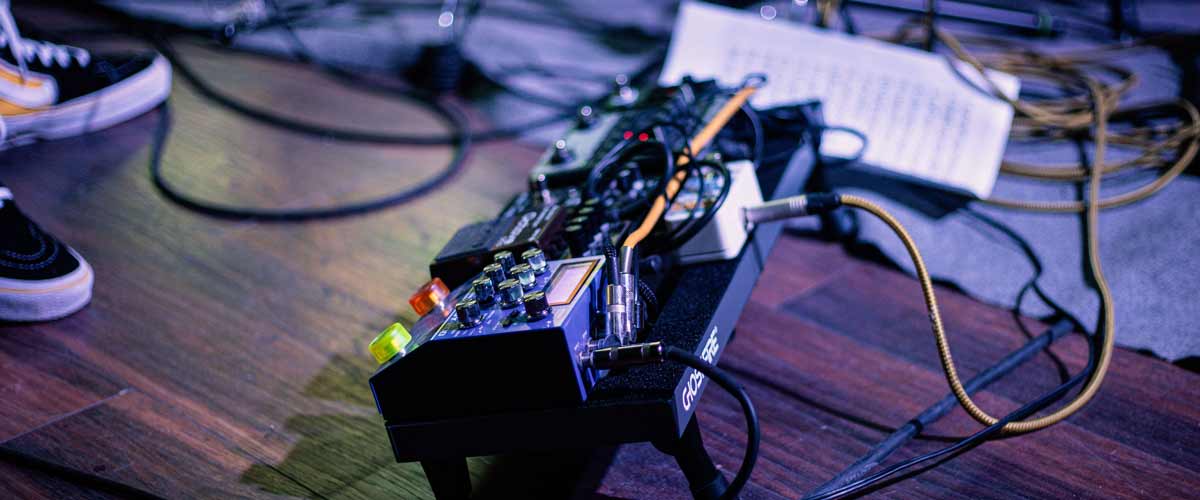
Guitar pedals give you the freedom to fully shape your guitar’s sound. From a subtle boost or warm overdrive to massive fuzz, spacious reverb, and experimental delays—with the right guitar pedal, you can create a sound that complements your guitar, amplifier, and playing style. At Pedaltown, you’ll find an extensive range of effects pedals from well-known brands as well as smaller boutique builders from around the world.
Which guitar pedal is right for you?
The range of guitar pedals is vast, and each type of effect has its own distinct character. You use overdrive, distortion, and fuzz to add gain, dynamics, and character to your guitar tone. If you are looking for a sense of space and depth, delay and reverb are key effects. Chorus, phaser, flanger, tremolo, and other modulation pedals allow you to add movement and color to your sound.
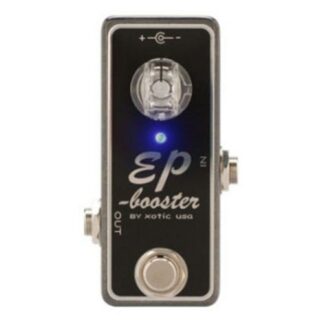
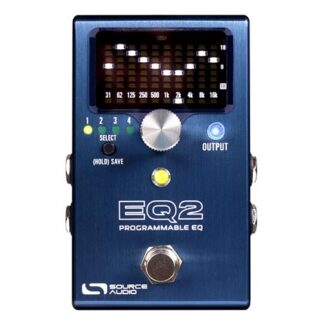
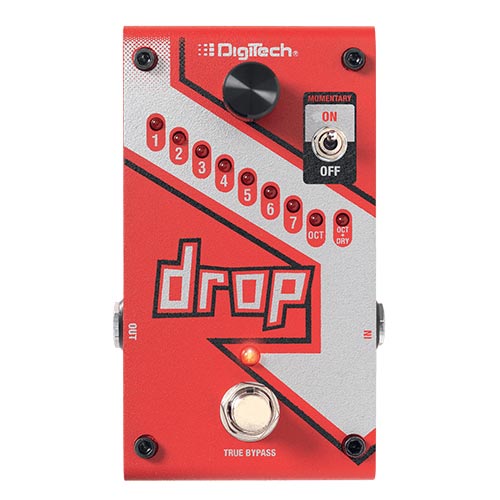
There are also practical effects pedals such as compressors, boosters, equalizers, and noise gates. Pitch shifters, octave pedals, loopers, and multi-effect units also offer plenty of creative possibilities. By combining different guitar effects, you can assemble a pedalboard that perfectly matches your playing style.
Practical guitar pedals



Overdrive, Distortion and Fuzz
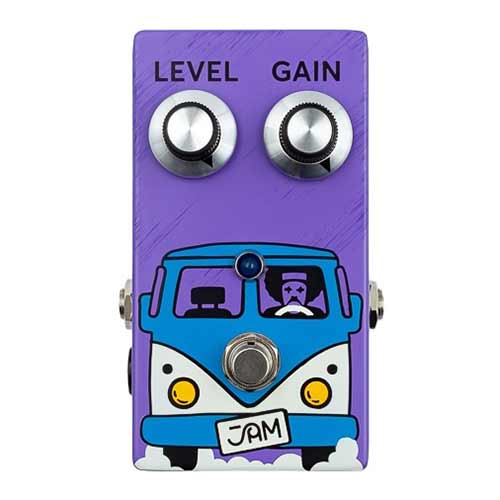
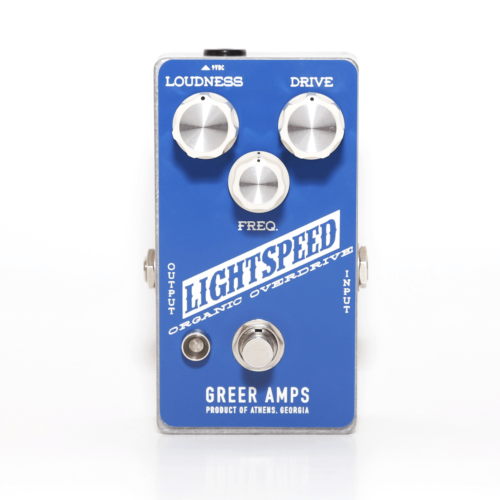
For many guitarists, a pedalboard starts with a drive pedal. An overdrive pedal can emulate the natural breakup of a tube amp or push an amp that’s already on the edge of breakup a little harder. From transparent overdrive to a pronounced mid-boost, the differences between overdrive pedals can be significant.
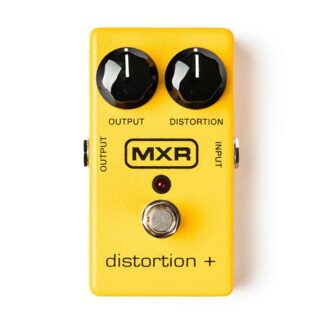
If you want more gain and compression, a distortion pedal is often a better choice. Distortion is suitable for everything from hard rock to modern metal. For an even rawer and more distinctive sound, you can opt for a fuzz pedal. Classic fuzz circuits and their modern variations are among the most characterful guitar pedals available.
Overdrive, distortion, and fuzz pedals
Overdrive, Distortion and Fuzz Pedals


Delay and reverb
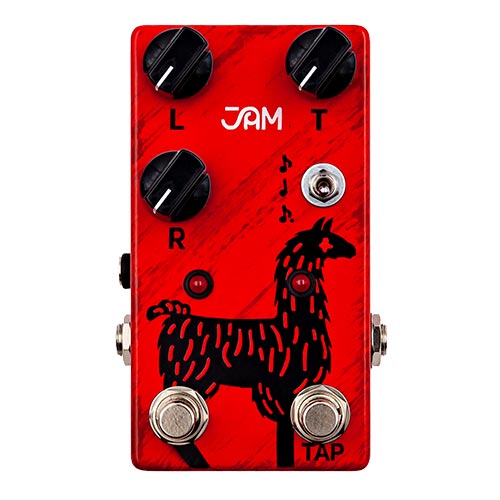
Delays add repetitions to your guitar signal. These can range from a short slapback delay to long, atmospheric echoes. Analog, digital, tape, and multi-delay pedals each have their own unique character, making delay one of the most versatile effects for electric guitar.
A reverb pedal simulates the reflections of an acoustic space. Classic spring, plate, and hall reverbs are ideal for adding depth to your guitar tone, while modern ambient reverbs can create massive soundscapes. Many contemporary reverb pedals combine various algorithms, modulation, and stereo capabilities into a single unit.
Delay and reverb guitar pedals
Delay and Reverb Guitar Pedals

Modulation pedals
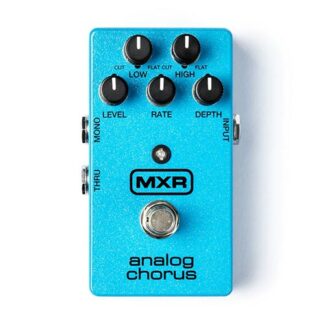
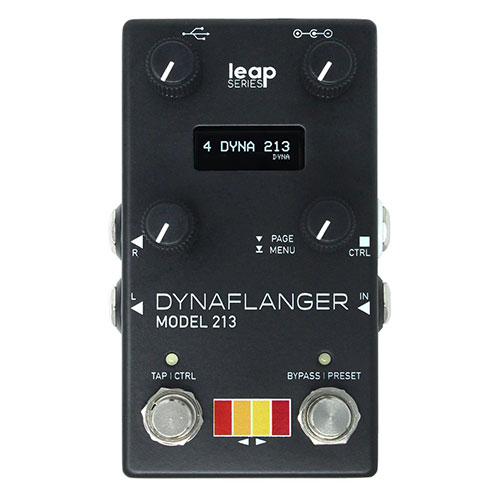
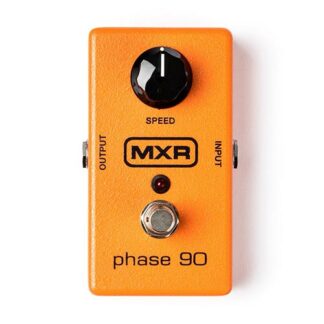
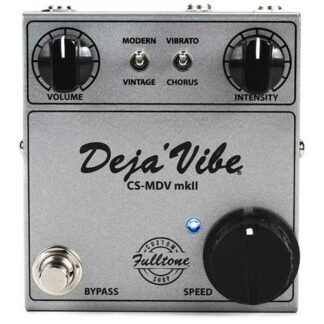
Chorus, phaser, flanger, vibrato, and tremolo add movement to your guitar sound. A chorus pedal can make your guitar sound wider and fuller, while a phaser creates a smooth, swirling motion. Flangers have a stronger and often sharper character, and tremolo causes the volume to vary rhythmically.
Modulation effects can be used very subtly but are also excellent for creating bold, experimental sounds. Interesting textures emerge, especially when combined with delay and reverb. Modulation pedals
Chorus
Modulation pedals

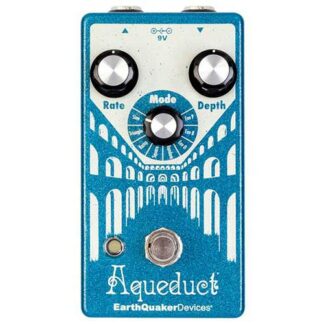
Combining guitar pedals on a pedalboard
Once you start using multiple effect pedals, the order in which you arrange them becomes important. A common basic sequence places compressors and boosts before overdrive, distortion, and fuzz, followed by modulation, delay, and reverb. However, don’t feel bound by this specific order; changing the sequence can actually help you create completely different sounds.
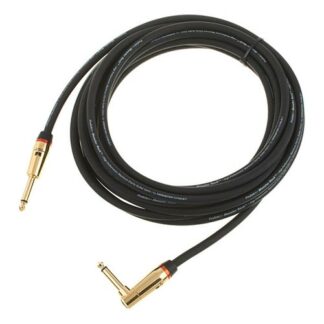
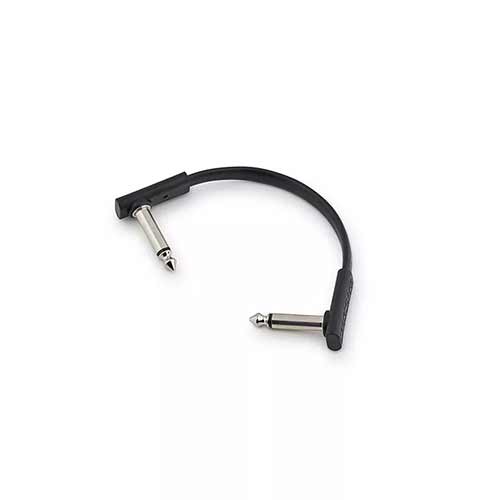
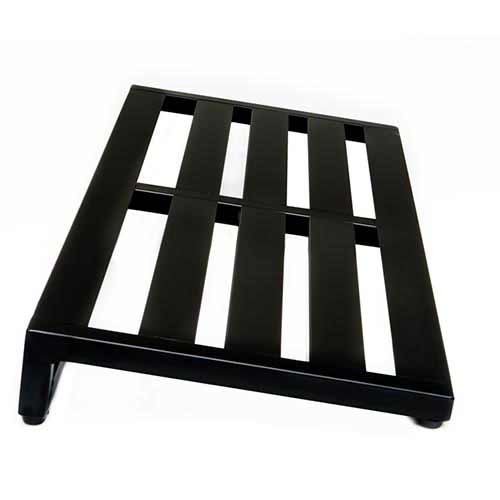
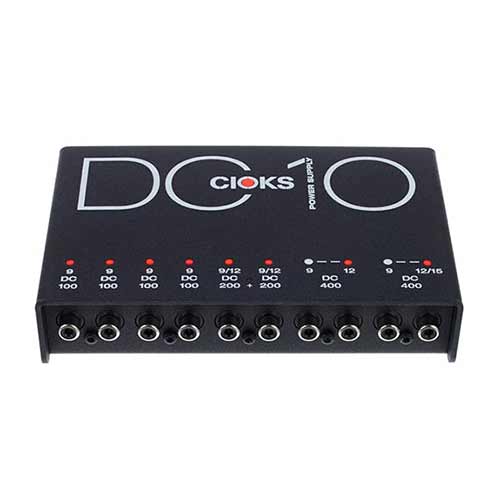
In addition to the pedals themselves, a reliable pedalboard requires a good power supply, patch cables, and—depending on your needs—MIDI or expression controllers. Especially with larger setups, an isolated power supply can help prevent hum and other unwanted noise.
Pedalboards, Power Supplies, and Accessories

Boutique guitar pedals at Pedaltown
At Pedaltown, it’s all about effect pedals. Alongside well-known brands, we offer a wide range of boutique guitar pedals from specialized builders who bring their own unique vision to classic and modern effects. You can choose not only from famous brands but also from distinctive pedals that allow you to explore new sonic territories.
Whether you are looking for your first guitar pedal, want to add a specific effect to your pedalboard, or are searching for something completely different: in our selection you’ll find guitar pedals for virtually every musical style and application. Browse the various categories, compare the options, and discover which effect best suits your sound.
Other Pedals


FAQ Guitar Pedals
What is a guitar pedal?
A guitar pedal is an effect unit used to alter or enhance the sound of your electric guitar. Some pedals add distortion—such as overdrive, distortion, and fuzz—while others create space, movement, or dynamic effects. Examples include delay, reverb, chorus, tremolo, and compression.
Which guitar pedals do I need?
That depends largely on the music you play and the sound you are looking for. For a first pedalboard, popular choices include overdrive or distortion, delay, and reverb. You can later expand your setup with effects like chorus, tremolo, fuzz, or compression. Combining different guitar pedals allows you to create a personalized pedalboard.
What is the difference between overdrive, distortion, and fuzz?
Overdrive generally sounds natural and dynamic, mimicking the sound of an overdriven amplifier. Distortion usually offers more gain and compression, resulting in a tighter, more powerful character. Fuzz distorts the signal even more heavily, ranging from warm vintage tones to extremely raw, experimental sounds.
In what order should I arrange my guitar pedals?
A common signal chain is tuner, compressor, boost, overdrive, distortion, and fuzz, followed by modulation effects, delay, and reverb. However, there are no hard-and-fast rules. Placing reverb before distortion or a phaser before fuzz, for instance, creates completely different sounds. Experimenting with the order is definitely worth it.
Can I combine guitar pedals from different brands?
Yes. Effect pedals from different brands can be used together on the same pedalboard without any issues. Pay close attention to the required voltage, polarity, and current draw for each pedal. A high-quality isolated power supply allows you to reliably power various pedals.
What are boutique guitar pedals?
Boutique guitar pedals are typically created by smaller, specialized manufacturers who focus heavily on circuitry, tone, and unique features. Some boutique pedals are based on classic effects, while other builders develop entirely new sounds and effect concepts.
How do I choose the best guitar pedal?
Start with the effect you want to achieve, then listen to various pedals within that category. Don’t just focus on specifications; pay attention to how the pedal responds to your playing style, guitar, and amplifier. Demos and comparisons can help narrow down your choices.